

About SWAP
Children and young people with physical and motor disabilities often face barriers when accessing sports opportunities. Although sitting volleyball has proven benefits for physical health, rehabilitation, and social inclusion, it is still largely practiced by adults and remains underused in rehabilitation and educational settings.
SWAP was created to address this gap.
It focuses on introducing sitting volleyball to children and young people with physical and motor disabilities and promoting it as both a sport and a rehabilitation tool for them.
The project is based on a simple idea: sport should be part of every child’s life, regardless of their physical abilities.
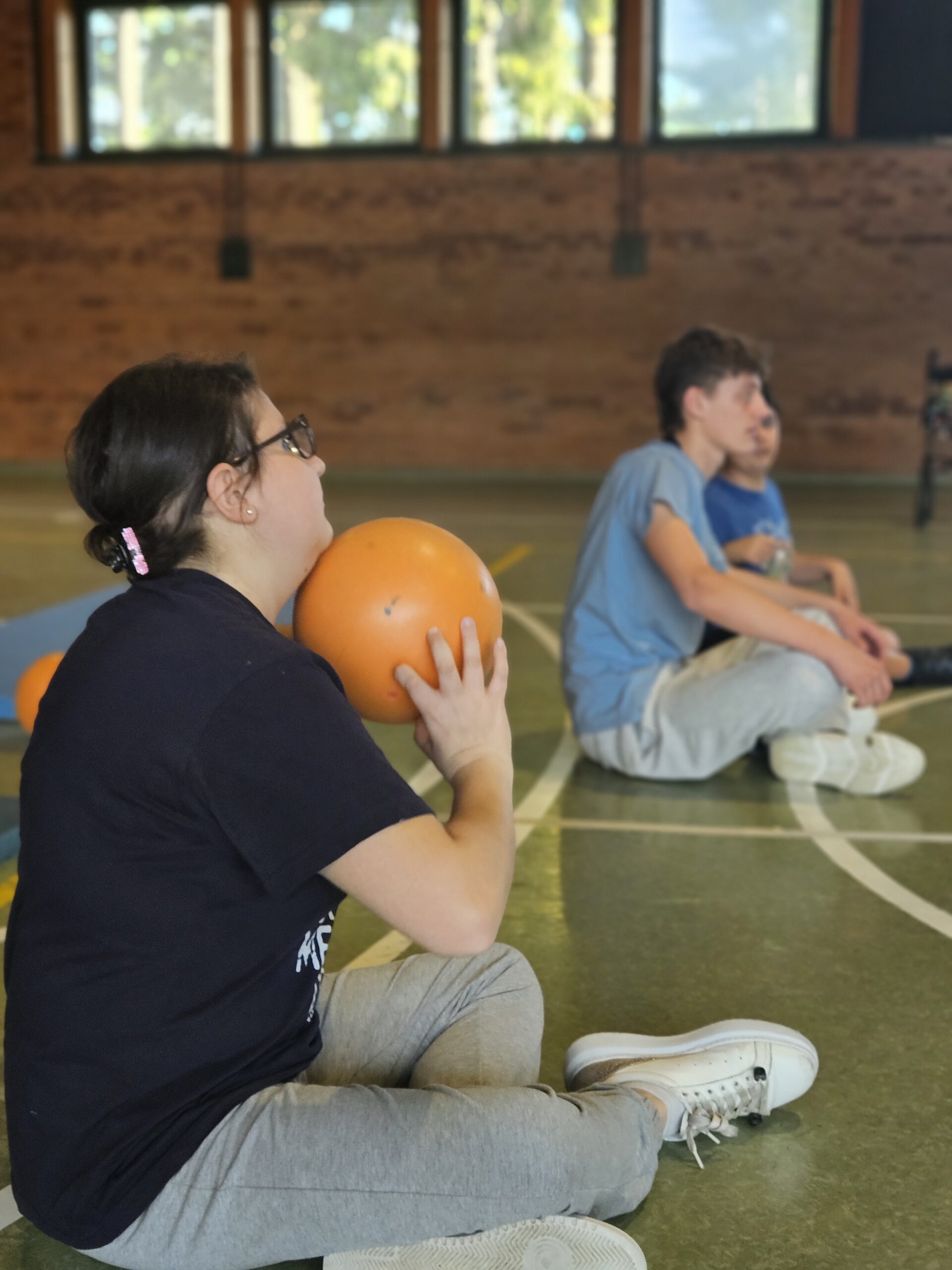
Why is Sitting Volleyball important?
Research shows that sitting volleyball can contribute to:
- Upper-body strength development
- Motor coordination improvement
- Physical fitness enhancement
- Social inclusion and participation
- Self-esteem and confidence building
- Teamwork and communication skills
- Emotional well-being.
The sport can be adapted to different ages, abilities, and rehabilitation needs, making it particularly suitable for children and young people with diverse functional profiles.
Our objectives
SWAP aims to demonstrate the scientific value of sitting volleyball and support its integration into rehabilitation programmes, schools, sports clubs, and community initiatives.
SWAP aims to:
- Increase awareness of the benefits of sitting volleyball among healthcare professionals, physiotherapists, doctors, coaches, and physical education teachers.
- Strengthen the scientific evidence regarding the role of sitting volleyball in improving physical, psychological, and social well-being.
- Provide professionals with practical tools and methodologies to introduce sitting volleyball in schools, rehabilitation centres, and sports clubs.
- Support the integration of sport into rehabilitation pathways.
- Promote inclusive sport environments where children and young people with disabilities can participate alongside their peers.
- Challenge stereotypes and reduce stigma associated with disability.
- Foster social inclusion, equality, and diversity through sport.
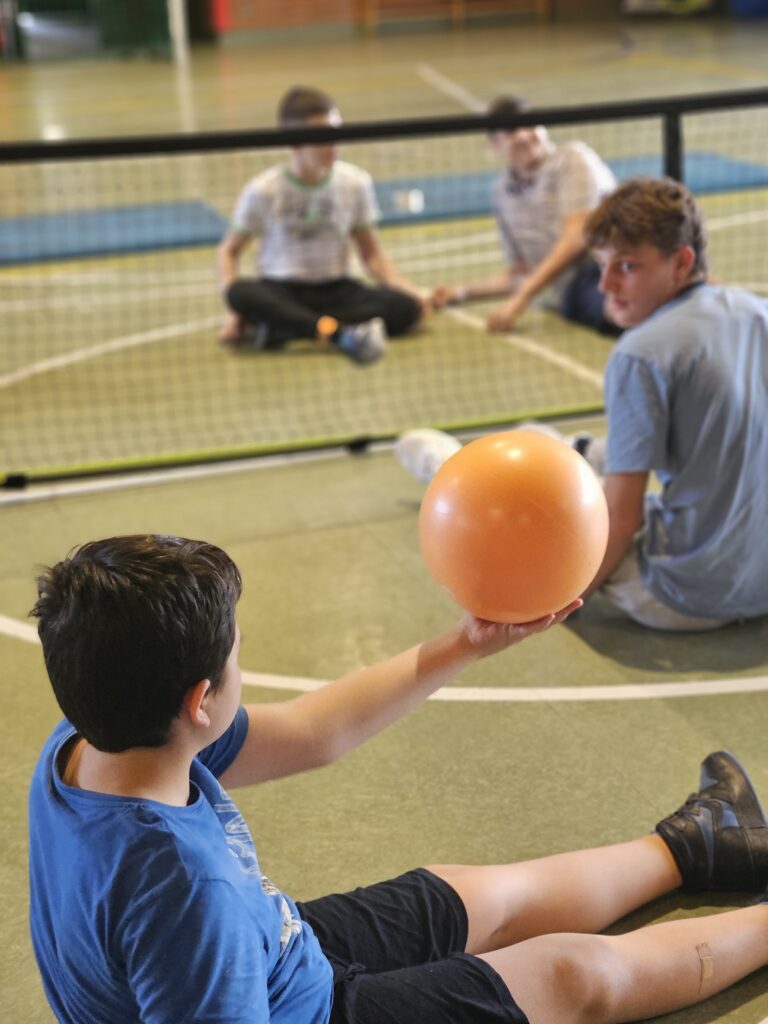
SWAP envisions a Europe where every child with a physical or motor disability has equal opportunities to participate in sport, develop friendships, improve their wellbeing, and become an active member of their community.